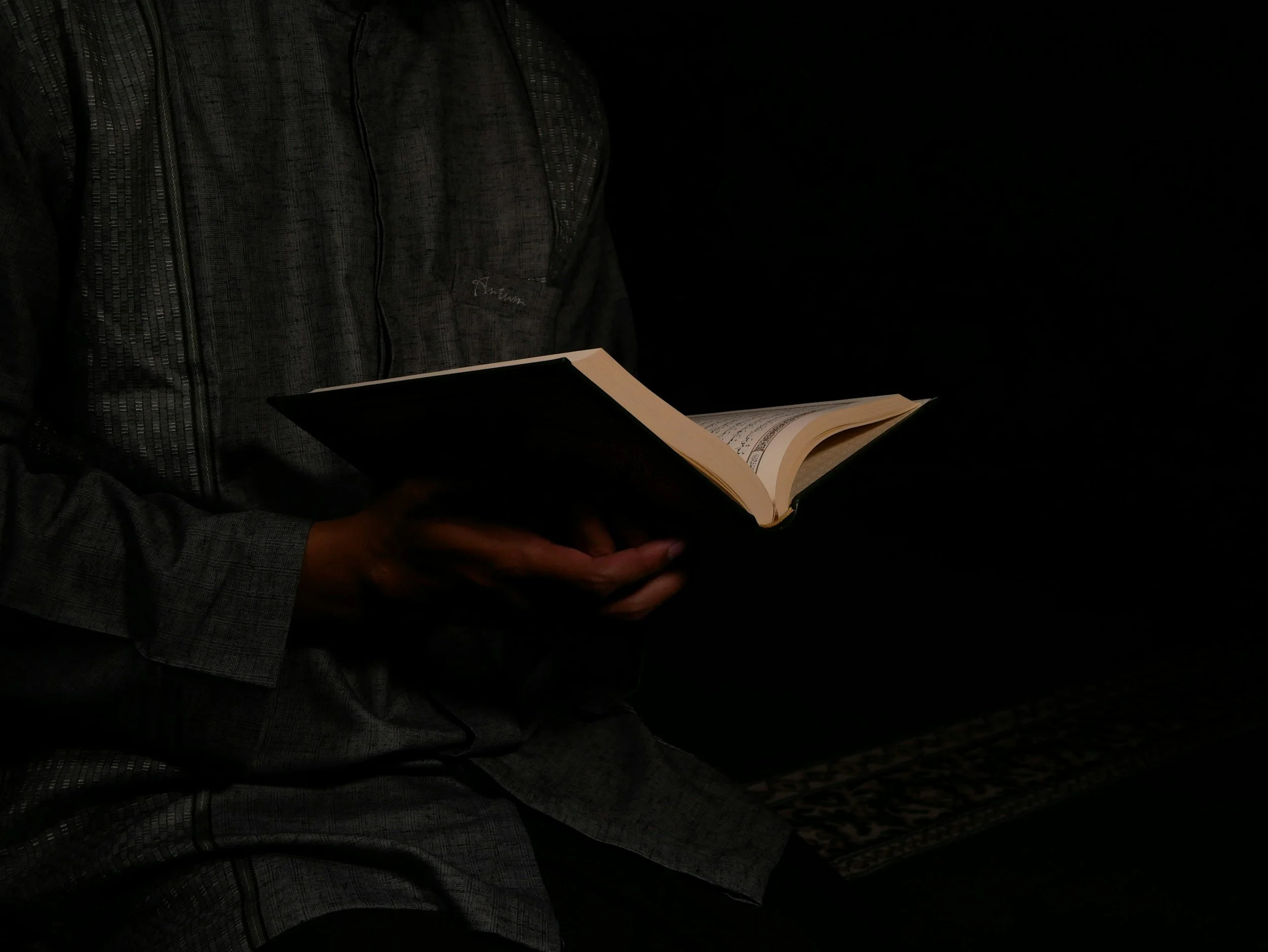
Religious Trauma Therapy in Philadelphia
Religious and spiritual communities can provide meaning, connection, and belonging. However, when faith, authority, fear, or shame is used to control someone, the emotional effects can continue long after the person has left the environment.
At Chestnut Hill Therapy Collective, we provide compassionate, nonjudgmental therapy for adults, couples, and families affected by religious trauma, spiritual abuse, coercive religious systems, and controlling institutions. Therapy is available in person in Chestnut Hill, Philadelphia, and virtually throughout Pennsylvania.
You do not have to abandon your faith—or return to it—to begin healing. Our therapists will not tell you what to believe. We provide a respectful space where you can understand what happened, reconnect with your identity, and determine what healing means for you.
What Is Religious Trauma?
Religious trauma refers to the emotional and psychological effects that can develop when religious beliefs, practices, leaders, families, or communities create experiences of fear, shame, manipulation, rejection, or control.
These experiences may occur within churches, religious organizations, spiritual communities, families, schools, treatment programs, or other systems in which authority is presented as absolute or beyond question.
Religious trauma can involve a single disturbing event, but it can also develop gradually after years of exposure to messages that undermine a person’s identity, autonomy, relationships, or sense of safety.
What Is Spiritual Abuse?
Spiritual abuse occurs when religious beliefs, spiritual authority, or sacred teachings are used to manipulate, shame, silence, threaten, exploit, or control another person.
Examples may include:
Being taught that questioning a leader or belief is sinful
Being threatened with punishment, rejection, or damnation
Having personal decisions controlled by religious authorities
Being pressured to remain in an unsafe relationship
Being publicly shamed, humiliated, or disciplined
Being rejected because of sexuality, gender identity, or personal beliefs
Being taught to distrust your emotions, body, instincts, or judgment
Having mental health concerns dismissed as a spiritual failure
Being isolated from people outside the religious community
Being told that abuse should be forgiven without accountability
Experiencing financial, sexual, emotional, or psychological exploitation
Feeling that love, belonging, or salvation depends on obedience
Not every difficult religious experience causes trauma. The important question is how the experience affected your safety, identity, relationships, and ability to trust yourself.
Signs of Religious Trauma
Religious trauma and spiritual abuse can affect people in different ways. You may experience:
Persistent guilt or shame
Fear of punishment, damnation, or making the wrong choice
Anxiety when questioning beliefs or setting boundaries
Difficulty trusting yourself or making decisions
Feeling disconnected from your identity
Fear of disappointing family members or religious leaders
Difficulty recognizing or expressing anger
Nightmares, intrusive memories, or emotional triggers
Panic or distress when entering religious settings
Confusion about sexuality, relationships, or personal values
Grief after losing a faith community or support system
Isolation from family, friends, or former community members
Difficulty trusting authority figures, institutions, or therapists
Feeling responsible for other people’s emotions or spiritual well-being
Depression, emotional numbness, or a loss of meaning
Difficulty establishing and maintaining boundaries
Some people leave their religious community but continue to experience fear and shame. Others remain connected to their faith while questioning harmful teachings or practices. Both experiences deserve respect and support.
Therapy for Religious Trauma and Spiritual Abuse
Therapy provides a space to examine your experiences without pressure, judgment, or a predetermined spiritual outcome. You remain in control of the process and decide which beliefs, relationships, and practices continue to have meaning for you.
Religious trauma therapy may help you:
Understand how harmful religious experiences affected you
Process fear, grief, anger, shame, or betrayal
Recognize coercive and controlling relationship patterns
Separate your personal values from beliefs imposed upon you
Rebuild trust in your perceptions and decisions
Develop healthier boundaries with family or religious communities
Reconnect with your body, emotions, and internal signals
Explore identity, sexuality, meaning, faith, or spirituality safely
Strengthen relationships outside controlling environments
Reclaim autonomy, self-worth, and personal agency
Develop a life guided by your own values
Healing does not require you to erase your past. It involves developing a safer and more self-directed relationship with your experiences, beliefs, emotions, and identity.
Religious Trauma and Relationships
Religious trauma does not always affect only the individual. It can influence communication, intimacy, parenting, boundaries, sexuality, and the balance of power within relationships.
Couples may struggle when partners have different beliefs, when one person is questioning or leaving a faith community, or when teachings about gender, marriage, authority, and sexuality continue to shape the relationship.
Therapy can help couples communicate about these experiences without assigning blame. Partners can learn to recognize inherited patterns, understand each other’s needs, establish healthier boundaries, and create a relationship based on mutual respect and emotional safety.
Our Approach to Religious Trauma Therapy
Treatment is collaborative, trauma-informed, and paced according to your needs. You will not be pressured to disclose more than you are prepared to discuss or forced toward a particular belief system.
Depending on your needs, therapy may integrate:
Cognitive Behavioral Therapy (CBT)
Dialectical Behavior Therapy (DBT)
Mindfulness and emotional-regulation skills
Trauma-informed relational therapy
Exploration of identity, values, and meaning
Boundary development
Support for anxiety, depression, and PTSD
Couples and family therapy
Your therapist will work with you to develop an approach that respects your experiences, culture, identity, and goals.
Meet Our Religious Trauma Therapist
Asher E. Volkens, M.S., LAPC
Asher is a Licensed Associate Professional Counselor and U.S. Air Force veteran who works with adults, couples, and families affected by religious trauma, spiritual abuse, PTSD, anxiety, depression, and trauma involving authority or institutions.
With more than 20 years of experience in the mental health field, including work as a clinician with the New Jersey Department of Corrections, Asher brings a grounded understanding of trauma, institutional environments, and complex emotional concerns.
His approach is collaborative, appropriately paced, and centered on safety and respect. He helps clients examine harmful belief systems, process shame and manipulation, rebuild boundaries, strengthen relationships, and rediscover their voices.
[Learn more about Asher E. Volkens]
Frequently Asked Questions
Do I have to leave my religion to participate in therapy?
No. Therapy does not require you to leave your faith, return to it, or adopt a particular belief system. Your therapist will help you explore your experiences and determine what feels healthy and meaningful to you.
Can I still experience religious trauma if I remain religious?
Yes. Some people continue to value their faith while recognizing that particular teachings, leaders, relationships, or communities caused harm. Therapy can help you separate personally meaningful beliefs from harmful experiences.
Is religious trauma a formal diagnosis?
Religious trauma is not a formal mental health diagnosis. It is a term used to describe the psychological and emotional effects of harmful religious or spiritual experiences. Some people may also experience symptoms associated with PTSD, anxiety, depression, grief, or relationship difficulties.
Can therapy help with fear, guilt, or religious shame?
Yes. Therapy can help you understand where these reactions originated, evaluate whether they continue to serve you, and develop healthier ways to relate to your emotions, values, identity, and choices.
Do you work with LGBTQIA+ clients affected by religion?
Yes. We provide affirming, nonjudgmental support for LGBTQIA+ clients who have experienced rejection, shame, conversion pressure, identity suppression, or other harm connected to religious beliefs or communities.
Is virtual religious trauma therapy available?
Yes. Virtual therapy is available to clients located throughout Pennsylvania. In-person sessions are available at our Chestnut Hill office in Philadelphia.
Begin Religious Trauma Therapy in Philadelphia
You do not have to continue carrying fear, shame, or patterns created by a controlling religious or spiritual environment. Therapy can help you understand what happened, rebuild trust in yourself, establish healthier boundaries, and move toward a life that reflects your own values.
Contact Chestnut Hill Therapy Collective to ask about religious trauma therapy with Asher E. Volkens.