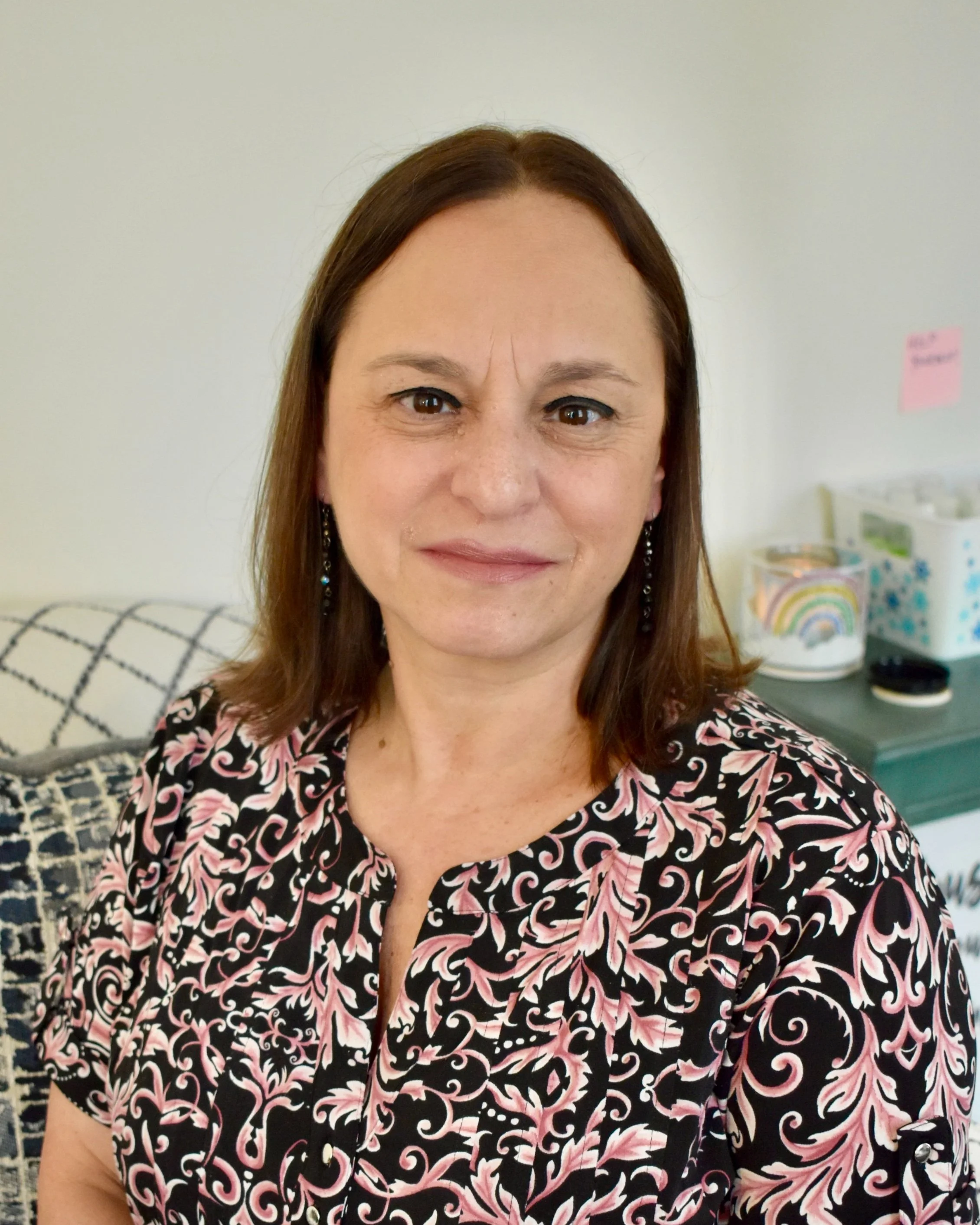
Kristine Dolce, MS
Therapist
she/her
Anxiety | Depression | Trauma/PTSD | Relationship concerns - infidelity, divorce, & communication issues
Chestnut Hill office | In-person & virtual sessions
Email: kristinedolce27@gmail.com
Phone: 215.970.9490
Kristine’s Specialty Areas
Experiences of sexual trauma or relationship trauma can leave lasting emotional effects that are difficult to process alone. Many survivors struggle with anxiety, shame, self-blame, difficulty trusting others, or feeling disconnected from themselves and their relationships. These experiences can impact how safe someone feels in their body, their relationships, and their daily life.
Kristine specializes in working with survivors of sexual assault, sexual trauma, and relationship trauma. Many of the individuals she supports are navigating the emotional impact of these experiences, including anxiety, self-doubt, difficulty trusting others, and challenges with intimacy or relationships. Kristine strives to create a compassionate, trauma-informed environment where clients feel safe exploring their experiences and beginning the process of healing.
Kristine’s Therapy Approaches
Kristine’s approach to therapy is trauma-informed, collaborative, and focused on helping survivors rebuild a sense of safety, self-trust, and emotional stability. She integrates evidence-based approaches such as Cognitive Behavioral Therapy (CBT) and other therapeutic techniques that help clients understand how trauma affects thoughts, emotions, and relationships.
Her work focuses on helping clients process difficult experiences, develop healthier coping strategies, and regain confidence in themselves and their ability to move forward
Kristine’s Training & Experience
Kristine has experience supporting individuals facing trauma, anxiety, depression, and life transitions in outpatient and community-based settings. Her work includes supporting survivors of sexual assault and helping individuals navigate the emotional and relational impact of traumatic experiences.
Kristine believes therapy works best when clients feel heard, respected, and supported. Her goal is to create a safe therapeutic space where survivors can process their experiences, develop new perspectives, and move toward healing and personal growth.